Opening a page with a hundred games and closing it without playing anything is a common experience. The problem is not choice, it is that genre labels describe the game instead of describing you.
Pick by energy, not category
Ask one question: how much of my attention is available right now?
- Almost none. Pick a pattern game. Match three, find the difference. They forgive distraction and let you stop mid-thought.
- A little, but I want to feel sharp. Pick a logic game. Minesweeper, tic-tac-toe, a small sudoku. Short sessions, clear feedback.
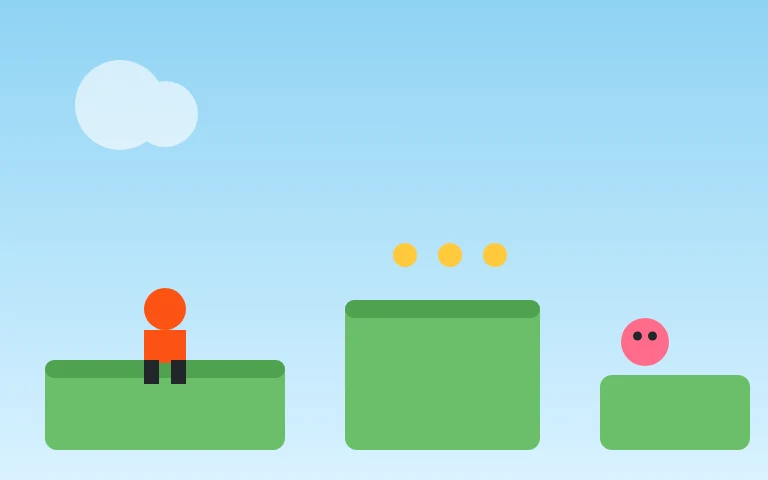
- Restless. Pick something with motion. A runner, a flapper, a brick breaker. Movement absorbs restlessness better than thinking does.
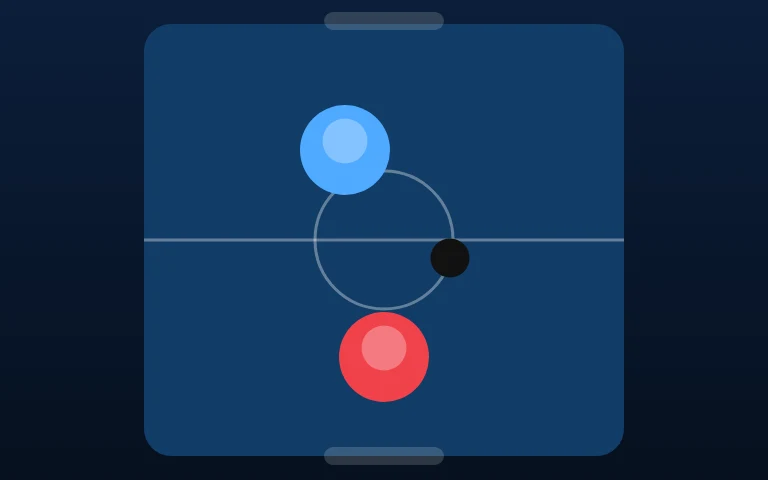
- I want to win something. Pick a game with an opponent. Connect four, a penalty shootout. A visible adversary makes a win feel earned.
- I want to be absorbed. Pick a builder. Tower defense, a stacking game. These have a mid-game where time disappears.
- I want to mess around. Pick a physics toy. Ricochet puzzles, hill driving. Nothing to master, everything to poke.
The two-minute rule
If a game has not made its rules clear in two minutes, close it. Not because it is bad, but because you have three minutes and it is asking for more than you budgeted. The same game may be excellent tomorrow with twenty minutes available.
Do not optimize
The worst outcome is spending your three minutes comparing games. Any game you actually play beats the perfect game you only considered. Pick the first one whose thumbnail makes you curious and start.
When you have thirty minutes
That is a different question, and the answer is usually: play one game you already know twice, then one you do not. Familiarity first gives you a warm-up; novelty second gives you something to come back to.
When you have three hours
Do not play browser games. Those hours want a book, a long game, or a walk.
A closing note
The site is built around the three-minute case on purpose. Every game loads in about a second, teaches itself in ten seconds, and ends cleanly whenever you stop.
That is not a limitation. It is the shape of the time most of us actually have.